Eighty years of sheet-metal engineering discipline, documented machine by machine. This is AMADA's story — told the way our engineers tell it.
Isamu Amada founds a small industrial-equipment workshop in Kanagawa Prefecture. The first product: hacksaw blades and metal-cutting tooling for post-war Japanese fabricators.
AMADA releases Japan's first CNC hydraulic press brake — a platform that later evolves into the HG-ATC family that anchors today's press-brake portfolio.
AMADA America is incorporated, with regional headquarters and technology center in Schaumburg, Illinois — the base for today's tier-1 service network.
AMADA enters the fiber laser market with in-house resonator R&D, laying the foundation for what becomes the ENSIS variable-beam architecture.
ENSIS-3015 AJ launches — the first production fiber cutter with mid-nest beam-profile control. The industry's thin-sheet-vs-thick-plate trade-off is broken.
AMADA Care launches globally — connected machine telemetry, predictive maintenance and remote triage become the default service posture.
LC-ALPHA launches at 12 kW, 16 kW and 20 kW — extending ENSIS variable-beam principles into the heavy-plate envelope for shipbuilding and yellow-goods.
Monozukuri is often translated as "craftsmanship," but inside AMADA it is a measurement discipline. Every machine that leaves Fujinomiya or Isehara carries a QC dossier — torque readings, optics cleanliness, beam-power curves, axis-linearity charts. We ship numbers, not narratives.
Our North American organization extends that discipline to service: every customer-site intervention is logged, every part-number is traceable, every operator certification has an expiry date. The goal is not to impress. The goal is to make the next shift predictable.
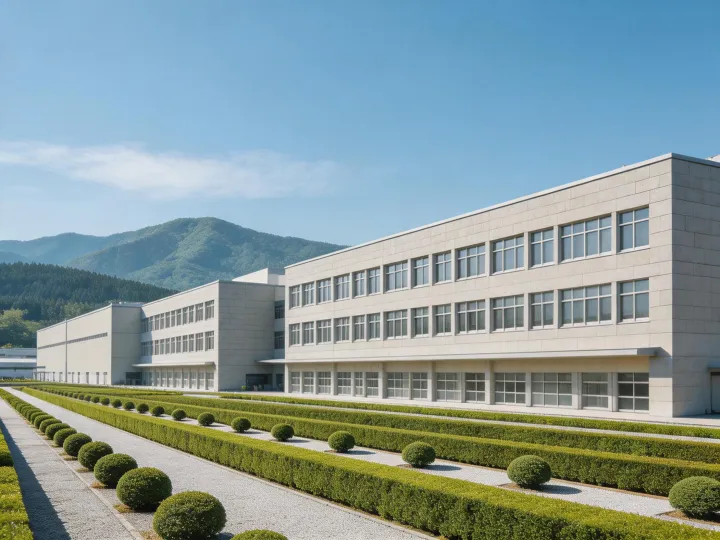
AMADA runs structured customer visits at Fujinomiya (Japan) and Schaumburg, IL — with live ENSIS demonstrations, applications-lab work on your materials and private engineering sessions.